Homemade Almond Milk and Almond Meal
Dec 02 2011 by
Add to Recipe Box
I’ve never been much of a milk drinker. When my family and I switched to a plant based diet giving up dairy wasn’t really that hard for me. For my son it was a little tougher. He normally starts his morning with a glass of hot milk. I knew there were a ton of non dairy milk substitutes on the market so I figured we would be ok. Then I took a look at some of the ingredient lists. Quickly the options of non dairy milk substitutes dwindled down to 2 0r 3 choices. WestSoy has an unsweetened soy milk that I like and Pacific Natural Foods has an oat milk that I really like. Both are great to use in a pinch but I really like making my own ‘milk’. Not only do a I get fresh milk with no added preservatives or chemicals but I also end up with homemade almond meal! It’s like BOGO but without the shoes. I like shoes. They are pretty. After you make your almond milk you should go buy shoes.
~Sarah
Ingredients:
- 2 cups raw unsalted almonds
- water
Preparation for Almond Milk:
- Add your almonds to a large bowl and cover them completely with water. Soak them for at least six hours (I usually just leave them overnight) until they are nice and plump.
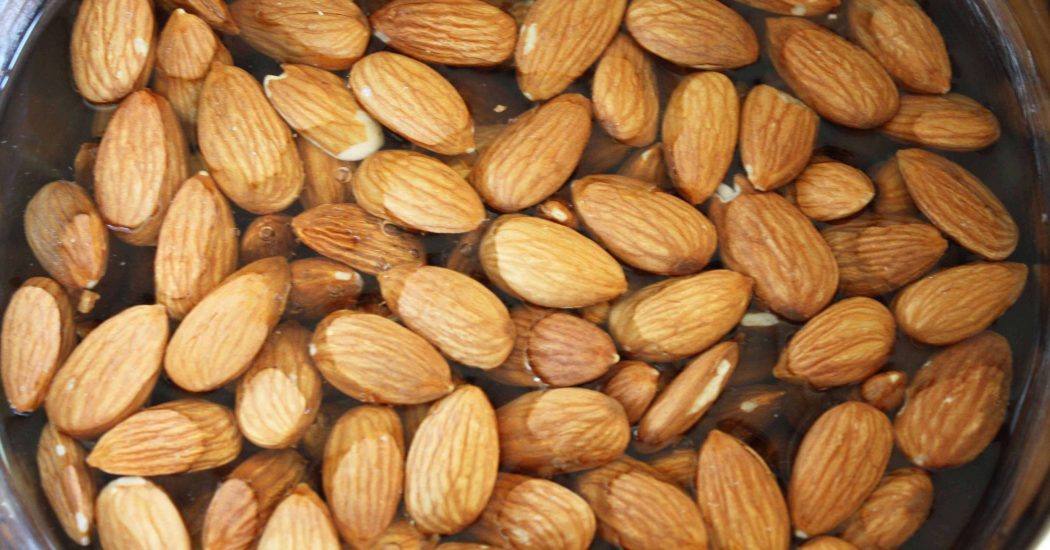
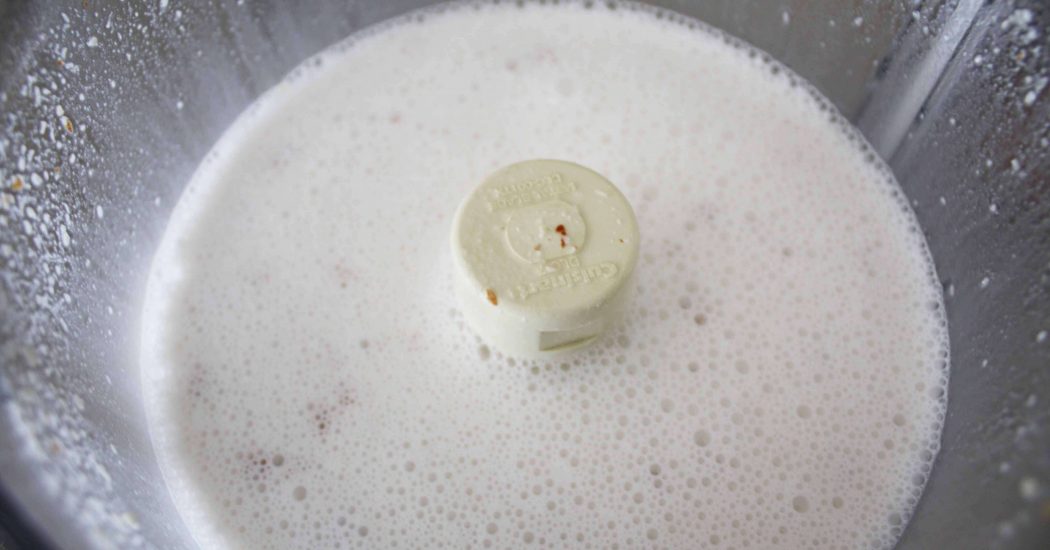
- After soaking add 1 cup of almonds and 1 1/2 cups of water to your food processor or blender (you need to work in batches, don’t try to add all the almonds and water to the processor at once) and blend for about 30 seconds. You’ll end up with a frothy, milky looking mixture.
- Pour the mixture through a fine mesh strainer into a bowl or other container.
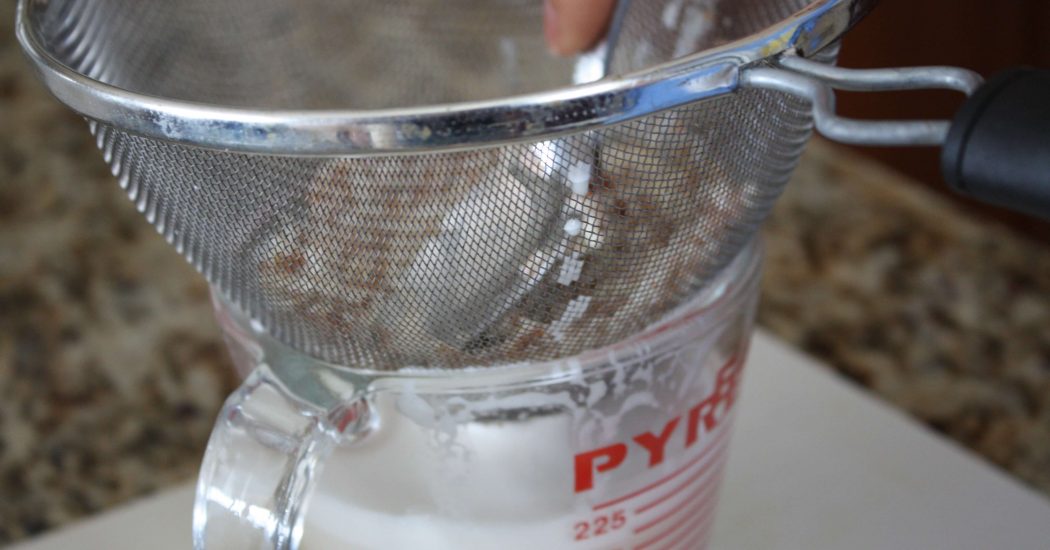
- Press any extra liquid out with the back of a spoon or spatula. You want to try to get as much liquid as possible out of the almond pulp.
- Remove the almond pulp from the stainer and place in a separate bowl and set aside.
- Repeat steps 2 – 5 until all your almonds have been processed.
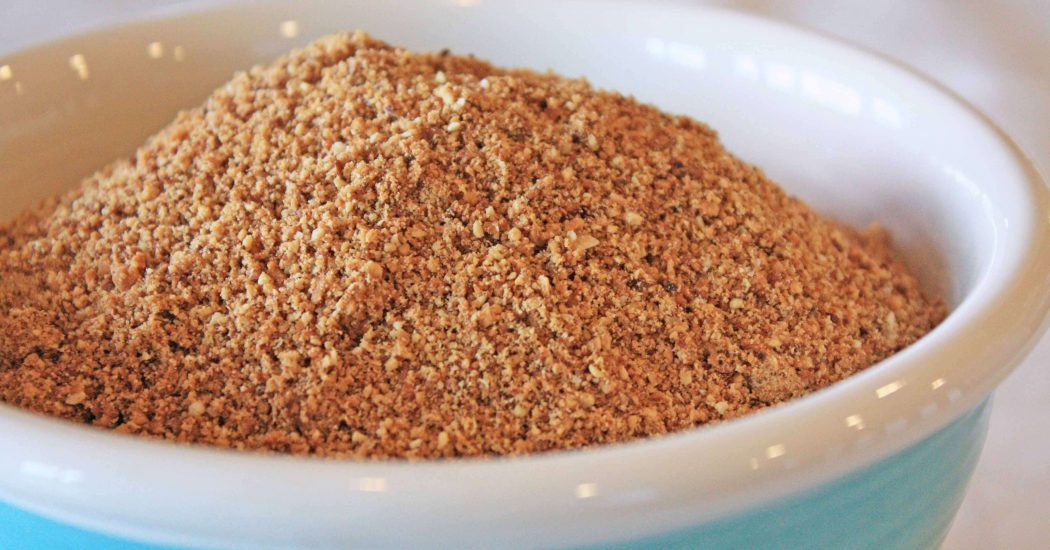
Preparation for Almond Meal:
- Preheat your oven to 300 degrees.
- Spread the almond pulp on a baking sheet as evenly as possible.
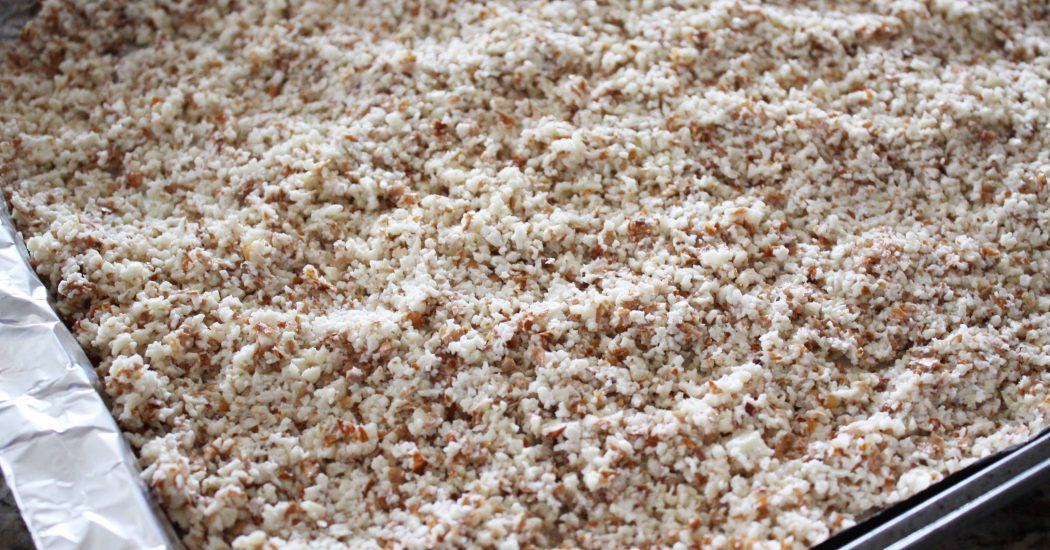
- Place in the oven for about an hour or until the almonds are toasted and brown. The almonds should be very dry. You could also use a dehydrator if you’d like.
- Transfer the toasted almonds to a blender or food processor and process until you have a fine grain consistency.
- If there are any almond skins that didn’t get processed simply pour the almond meal through a stainer and discard the leftover skin.
- You should be left with about 1 1/2 – 2 cups of almond meal.
Nutritional Info:
Makes approximately 2 cups of Almond Milk and 2 cups of Almond Meal.
I have no idea how to calculate the nutritional info of almond milk – sorry!
Notes:
You can use this Almond Milk to replace milk in most recipes or anywhere you’d use a store bought almond milk.
For a sweetened Almond Milk add a date to step 2 and process as directed. For a Vanilla Almond Milk add a couple of drops of vanilla to your milk and shake well.
Almond Milk will keep in the fridge for about 5 days.





Hi, I love almond milk and can’t wait to make my own. Thanks for the recipe. Question: After the almonds are soaked is fresh water used in the food processor or the water used in the overnight soaking?
Hi Sue,
You can use the water that the almonds were soaked in or some new fresh water. I used the water they were soaked in but only had enough for the first batch. It was really amazing to see how plain water and crushed almonds make this fantastic ‘milk’.
~Sarah
The person who taught me how to make almond milk suggests purified water to decrease the potential for bacteria.
I also add dates to the blender for a little sweetness.
Can you freeze this freshly made almond milk? I can’t believe how wonderful this is and so easy. I take the almond meal that is left over from blending before I roast in oven and squeeze through cheese cloth. I got about another cup of milk doing that. Just want to know if I can freeze this.
Hi Teddi,
I personally have not tried freezing it but I have heard from others that have freezer it and it turned out just fine. Please let us know if it works for you!
~Sarah
I just used this recipe and came up with a full quart of almond milk. Did I do something wrong?? I used 2 cups of almonds, but when they expanded, it was about 3.5-4 cups… so should I have measured the total water amount to be 3 cups (to go with the original measurement of 2 cups almonds), or do you measure it cup for cup after expansion? I hope that made sense…
Hi Beth,
I think I know what you’re saying. After you add the water to the almond to let them soak, you can use that same water when making the almond milk. You will need more water than what is left from the soaking almonds though. If you ended up with quart you did it right though. That’s about how much I end up with.
~Sarah
Can you use the pulp to make almond butter? If so do you need to add anything to it or just put the pulp in a blender and let it go?
Hi Paula,
The pulp that you are left with will be very dry and devoid of most of the almond’s oil which is necessary for making almond butter. In order to make almond butter you would need to add in some oil and this will most definitely change the flavor of the nut butter as it’s the almonds oil that provides flavor as well as the almonds itself. For this reason I don’t recommend making the pulp into nut butter but you can always give it a try and see if the flavor works for you.
~Sarah
I cannot wait to try making this myself! I’m curious though, what about using slivered plain/raw almonds? The few recipes that I have seen for making almond milk all call for using the whole nut. Just wondering how that would affect the outcome.
Hi Jenny,
You definitely want to use the whole nut! The skin not only provides flavor but you need the natural oil from the whole nut to make the milk. Also, slivered almonds are usually blanched and blanched nuts will not make nut milk correctly. Hope this helps!
~Sarah
What do i do with all the leftover almond meal? i have bags in the freezer, but dont know what to do with it! Help!
Hi Pauline,
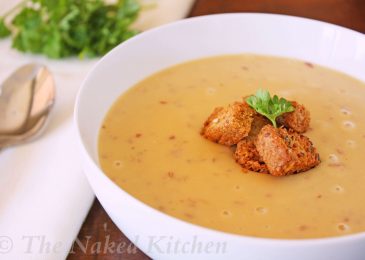
I’m so glad to hear you’ve kept all your almond meal! We’ve got a couple of recipe on the site that use the leftover meal like our Pumpkin Sausage Patties and Frugal Almond Meal Cookies. I also love to put the leftover in the oven at a low temp until it’s nice and crunchy and use it in my salads as croutons. It’s actually wonderful to use as in a base for things like a fruit crisp or cobbler. Hope this helps a little.
~Sarah
In searching for a recipe for almond milk using a food processor vs. a fancy blender, I read through a number of recipes, including yours… which I very much appreciate. However, I was saddened to find that your blog post almost exactly mimics this one. While the basic recipe for almond milk is simple and standardized, it was disheartening to find that this was was not a genuinely written post.
Hi Kristen,
I appreciate your concern but let me assure you that this is a genuine post and any resemblance is a complete coincidence. When making almond milk there is one pretty universal process. It’s not like you have a lot of wiggle room to do your own thing – it’s like boiling water – everyone’s instructions are going to be pretty darn similar.
~Sarah
Hi Sarah, if I grind the almond meal down further would this then become almond flour, or is this just silly lol. If not can you make your own alomnod flour or does it have to be shop bought?? Well said on the ‘copyright’ comment ;-)
Sheryl
Hi Sheryl,
You can definitely get a very finely ground almond meal if you continue grinding the almonds but to get the store bought almond flour consistency is very hard to do at home. That being said you can use a very finely ground almond meal in many different recipes that call for almond flour. The only time it won’t work is when you are baking things like breads where you need a smoother consistency. Also, you can easily store bags of ground almonds/almond meal in the freezer for up to a year – it’s great to have on hand whenever a recipe calls for some!
~Sarah